

Gastroenteritis in puppies
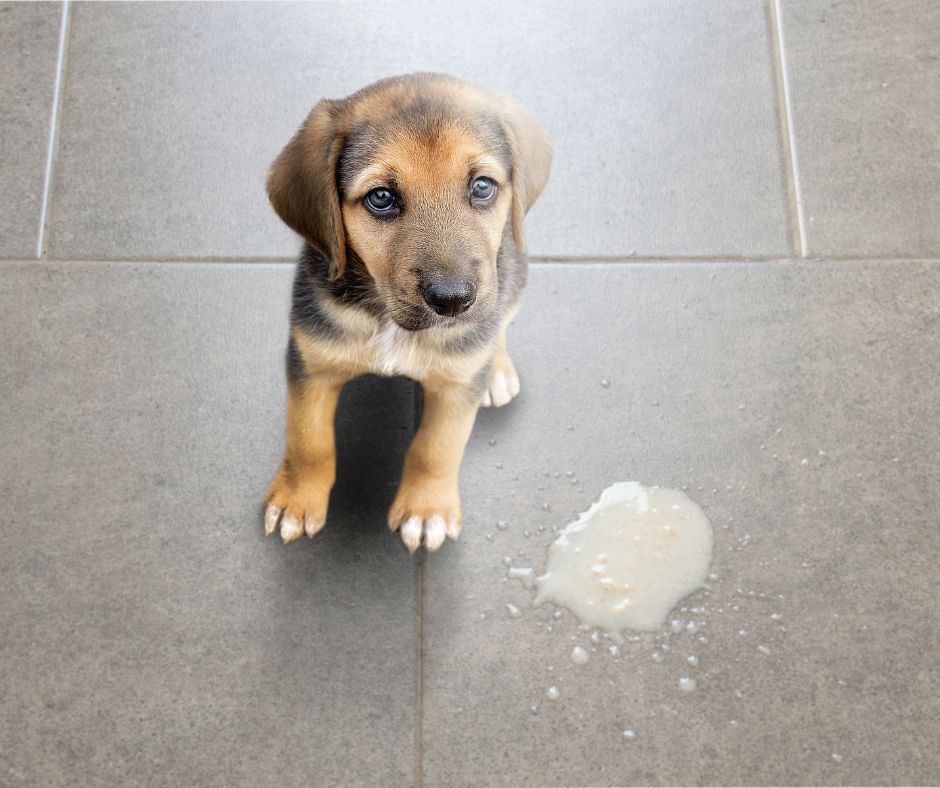
My new puppy has an upset stomach, what should I do?
Gastrointestinal problems are some of the leading causes of visits to the vet. Puppies in particular are extremely prone to tummy upsets, which can have various causes. Gastroenteritis is the technical term used to describe an upset tummy and symptoms include vomiting, diarrhoea, poor appetite and, in serious cases, lethargy and collapse. Let’s look at what causes gastroenteritis in puppies.
Gastric dilatation volvulus

My dogs abdomen is distended and he's acting very restless
It’s a scary situation when your dog looks like he has a bloated tummy, but he’s really experiencing a life-threatening medical emergency. Gastric dilatation volvulus or GDV is also called bloat, but it’s more than just a bit of air in the stomach. Its other name – gastric torsion – describes how, once inflated with air, the stomach can also twist around itself and cut off blood supply to other major organs. The body then goes into shock and the condition becomes life-threatening.
Heart diseases in dogs

My dog has a strange cough and fatigues easily
It is estimated that a little over 10% of all pets have some form of heart disease. There are many different reasons for the presence of heart disease – from genetics to poor diet, ageing, illness/infection and obesity – but what is common among all types of heart disease is that the condition does not simply go away on its own. It is usually progressive and, depending on how severe the symptoms are and when the dog is diagnosed with the disease, it can eventually lead to heart failure.
Eosinophilic granuloma complex in dogs and cats
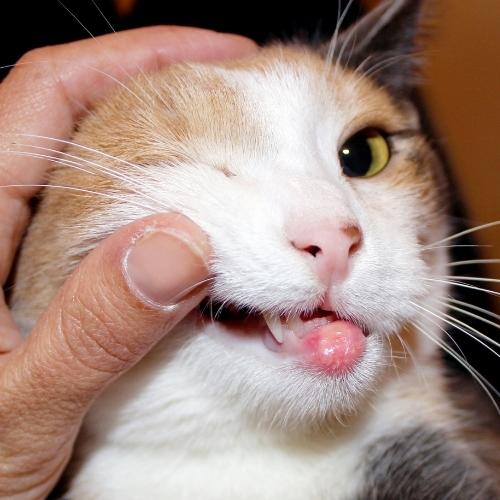
My cat has a strange sore - almost like a fever blister - on her upper lip
What is eosinophilic granuloma complex?
Eosinophilic granuloma complex (EGC) is a disease complex that presents in three main forms, namely an eosinophilic ulcer (also known as a rodent or indolent ulcer), an eosinophilic plaque or an eosinophilic granuloma. These conditions are more commonly found in cats and horses, and only occasionally in dogs.


