

My dog hates vet visits
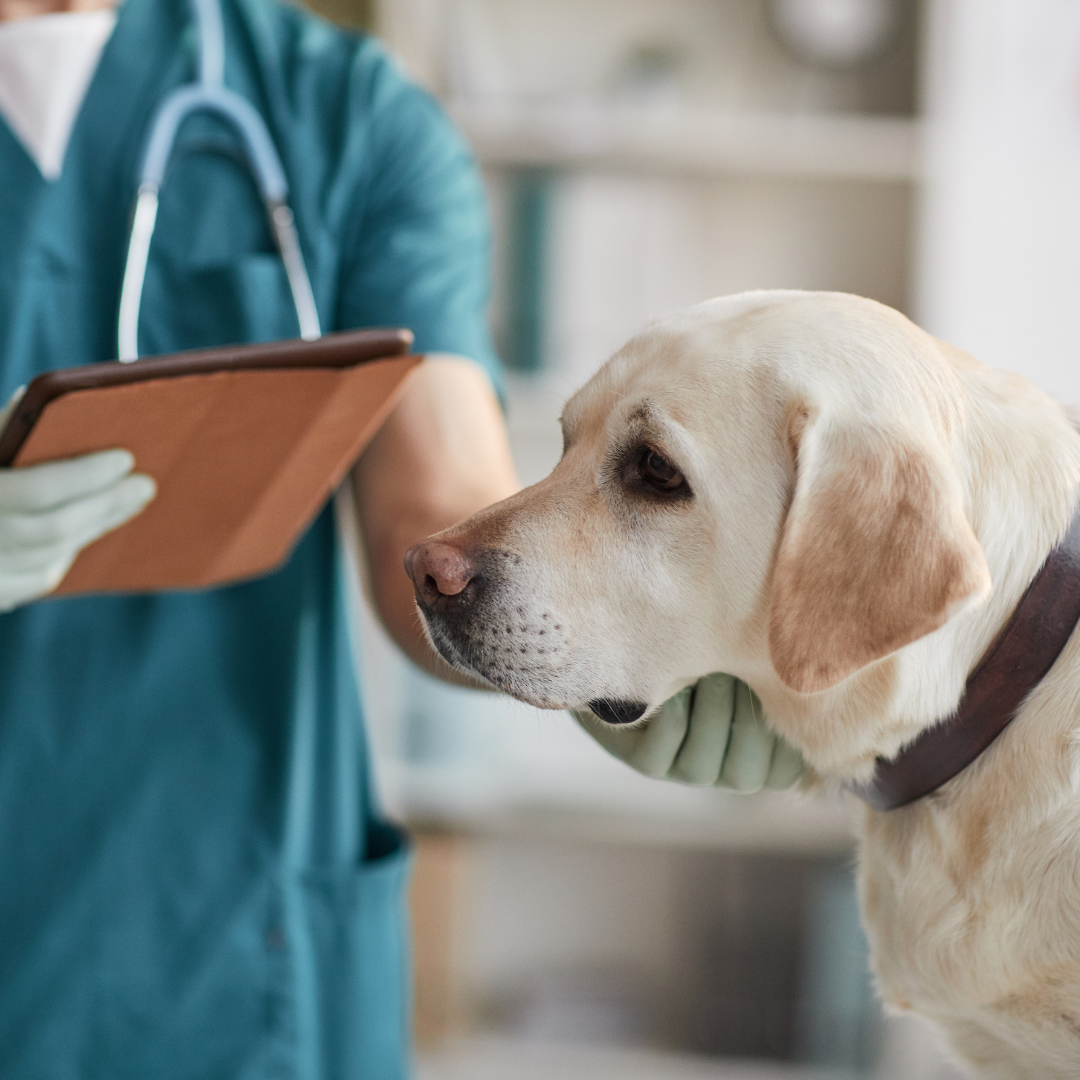
No matter how wonderful the vet is, your dog refuses to cooperate when it’s time to go to the veterinary clinic. Here's how to manage a pet who hates the vet.
My dog will do anything to avoid going to the vet – including trying to bite the staff! How can I change his experience and get him to relax at the vet?
What to do when your pet goes missing

When you realise your pet is missing, it can send you into a panic. Carefully read through this step-by-step information, which will help you to prepare for what to do if your pet goes missing.
I’ve just realised my pet is not in my house or yard. I think they are missing – what should I do?!
Pets can go missing for many reasons: jumping out of the car when you’re making a pitstop, running after other dogs while at the dog park, escaping the yard during a thunderstorm, or even an indoor cat finding herself outside, feeling disoriented and hiding somewhere nearby. It’s a terrifying experience to realise that the dog or cat you assumed was at home… is nowhere to be found.
My pet has just had an operation. What is the best way to help them recover?

Your pet has just had surgery. Read these tips to learn how to provide the best post-op care to ensure they recover faster and in a comfortable, healthy way.
Whether your pet has had emergency surgery (after a medical emergency, or injury in a fight or accident) or an elective procedure (like a spay or neuter), they will need time to return to relative normal after being under anaesthesia and for their wounds to heal. It’s imperative to support their healing process in an optimal way. The vet will monitor your pet for a short time after the operation, but the post-operative care at home is your responsibility – to manage your pet’s recovery and healing to ensure they are healthy and thriving once again.
Preventive pet care for the next three years

The best way to ensure your pets' health is through prevention: preventing disease, preventing unwanted behaviour, preventing parasite infestation, and preventing poor health in general. Use this proactive preventive pet care approach and - with the vet's
I wish I could prevent my pets from getting sick – both for their health and for my budget. Is there a way to prevent pet illnesses?


