
Adverse Food Reaction in Pets
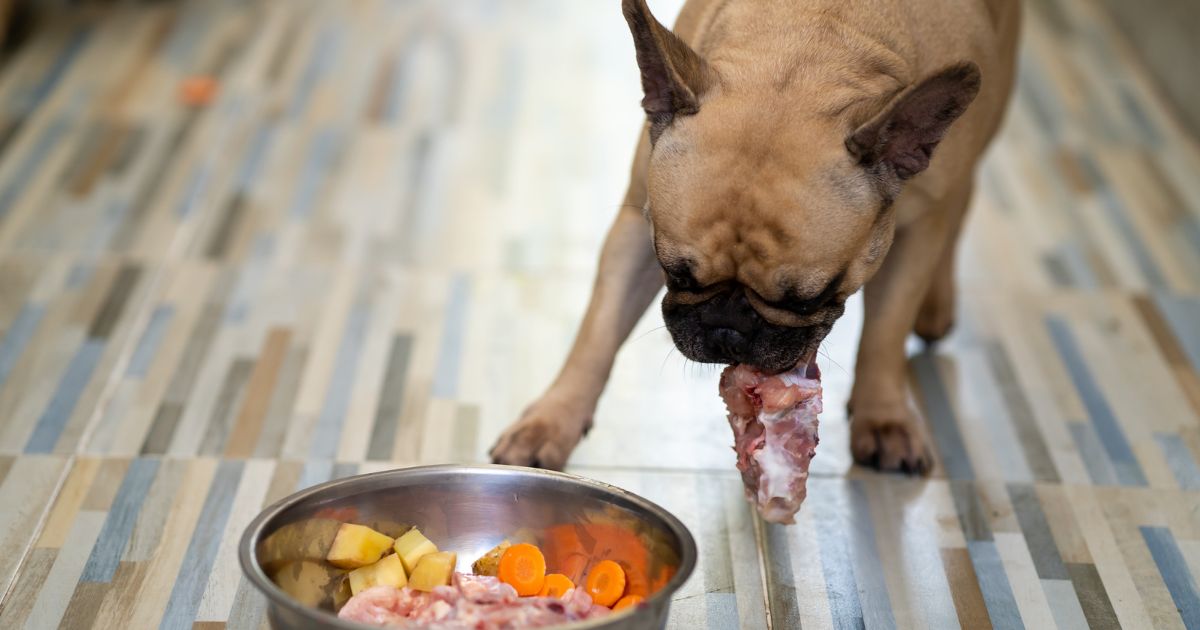
My pet eats a premium pet food, but they are getting sick. Help!
As logic would go, feeding your dog or cat a high-quality, premium pet food would ensure their nutritional needs are met and they would thrive and live a long and healthy life. This is every pet owner’s objective for their beloved pet. However, some pets – both dogs and cats – can experience what is called an adverse food reaction. In this article, we’ll explore what adverse food reactions are, what causes them, when to take your pet to the vet, and how adverse food reactions are diagnosed and treated.
Pancreatitis in cats

My cat is vomiting, lethargic and has no appetite
The pancreas is an organ located near the stomach and alongside the small intestine. It is responsible for producing digestive enzymes and hormones (such as insulin) that regulate blood glucose. In cats, pancreatitis is a serious condition in which the pancreas becomes inflamed leading to poor appetite, listlessness, dehydration and vomiting. It is also commonly diagnosed together with other diseases and can have life-threatening and severe long-term effects. In this article we will discuss the causes, symptoms, diagnosis, treatment and prevention of pancreatitis.
Pancreatitis in dogs
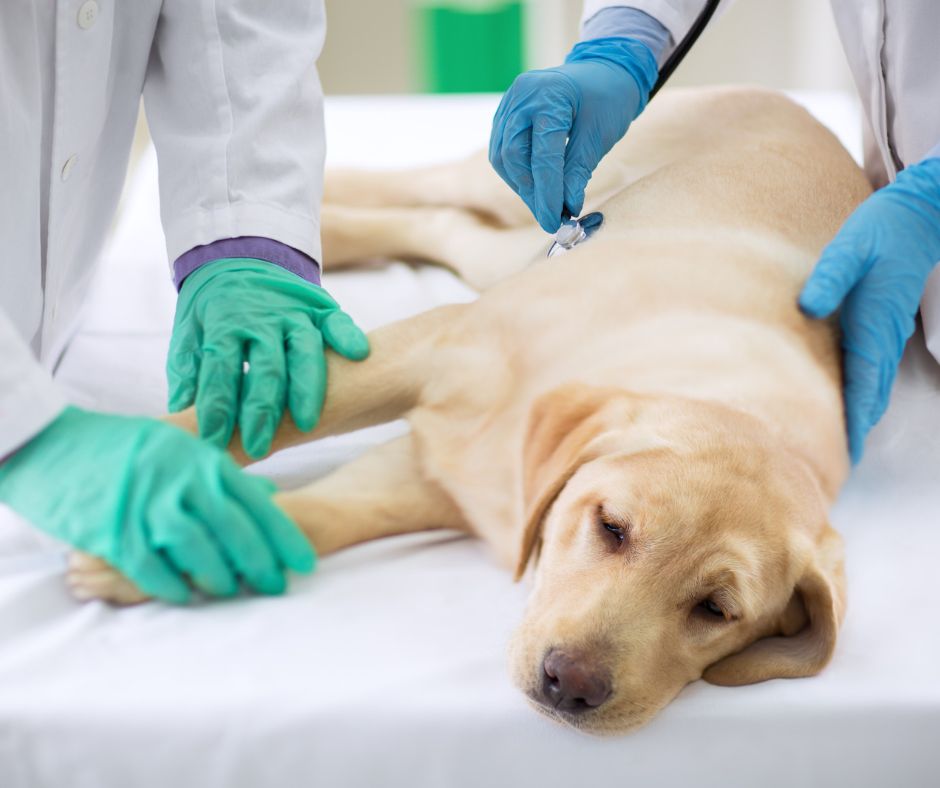
My dog is vomiting and has a very sore tummy
The pancreas is an organ located near the stomach and alongside the small intestine. It is responsible for producing most digestive enzymes as well as hormones (such as insulin) that regulate blood glucose. Pancreatitis in dogs is the condition we see when the pancreas becomes inflamed, leading to vomiting and abdominal pain. This disease can be life-threatening and have long-term effects. In this article we will discuss the causes, symptoms, diagnosis, treatment and prevention of pancreatitis.


