My pet has diarrhoea. What's the quickest way to help his tummy return to normal?

Diarrhoea in dogs and cats is a nightmare for every pet owner who experiences it - you wake up one morning to find stinky effluent dribbled and splattered across the floor. And often, just as it is being cleaned up, your pet has a repeat episode!
Diarrhoea in dogs and cats is a nightmare for every pet owner who experiences it – you wake up one morning to find stinky effluent dribbled and splattered across the floor. And often, just as it is being cleaned up, your pet has a repeat episode!
5 Rare diseases in cats

Progressive retinal atrophy (PRA), hyperadrenocorticism (Cushing's disease), Ehlers-Danlos syndrome in cats, taurine-deficiency dilated cardiomyopathy and retinopathy, feline papillomatosis
The vet’s role is to ensure the health and wellbeing of their patients; to heal their wounds and treat their illnesses. Therefore, it can be challenging to be confronted by diseases or conditions that are not often seen in cats, requiring differential diagnosis and the solving of complex puzzles in order to treat their patients – especially felines.
5 Rare diseases in dogs

Ectopic ureters, canine uveodermatologic syndrome, achromatopsia, immunoproliferative systemic intestinal disease and dermoid Sinus
Every day, veterinarians are confronted with diagnostic challenges in the form of dogs with symptoms and no way to tell them where it hurts. There are some diseases and illnesses that vets see often, like ear infections, hip dysplasia, allergic reactions, dental disease and hot spots. But then there are some rare diseases that seldom make it to every vet’s examination table.
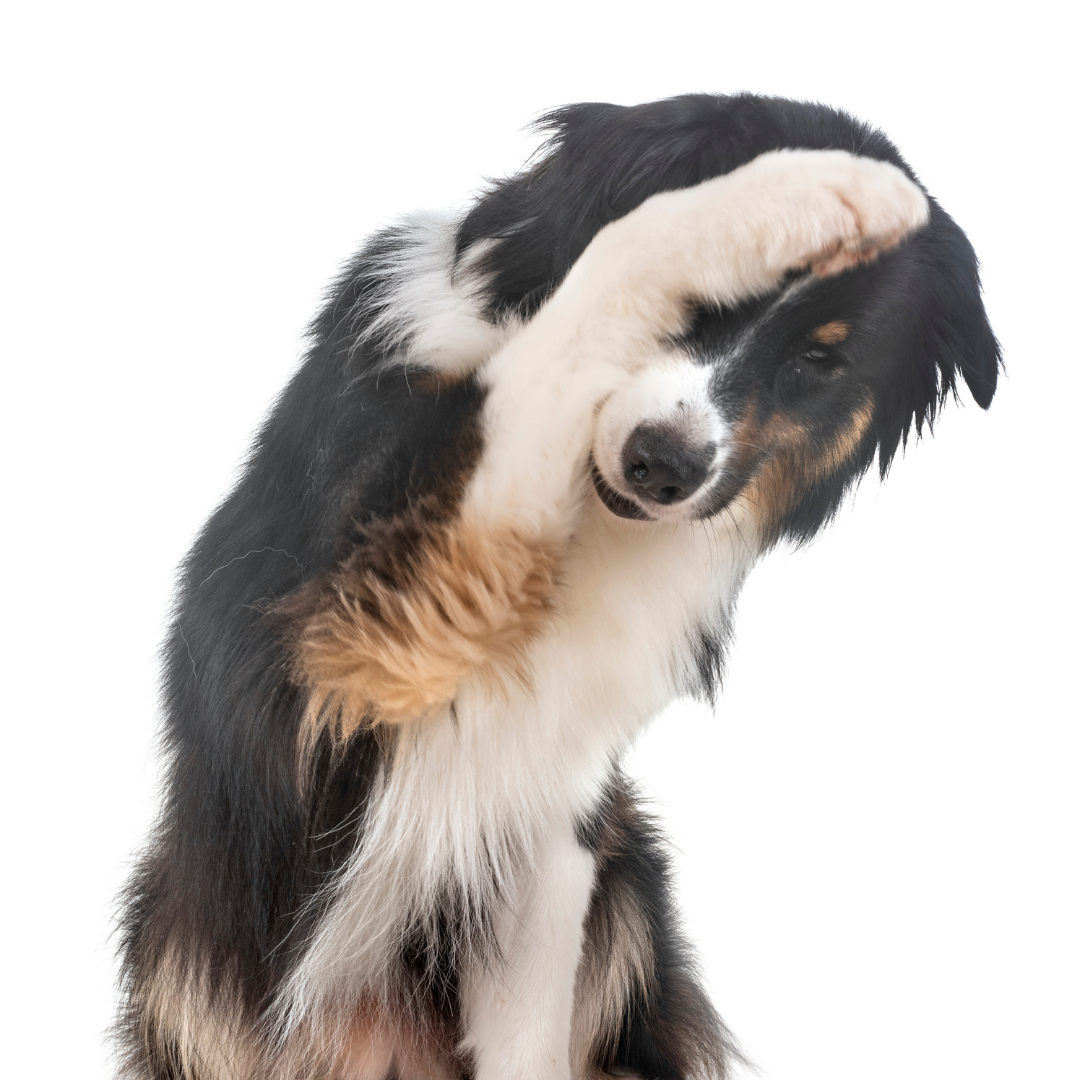
My dog is shaking her head and pawing at her ears. She flinches when I touch her head.

Ear infections in dogs and cats are one of the most prevalent complaints veterinarians see in their patients, and they are often recurring. Read more about the primary and secondary causes of ear infections, the symptoms, how they are diagnosed and how th
Ear infections in dogs and cats
You may notice a foul odour emanating from your dog or cat’s ears, or maybe the pinnae (ear flaps) are red and warm, or you can see a dark discharge (or pus) or inflamed ear canal. However, it would be your pet’s behaviour that alerted you to the potential problem to begin with: persistent scratching, head-shaking, pawing at their ears and/or vocalising while rubbing their ears. They may flinch when being touched on the head or even avoid your touch altogether.