

Diabetes Defined
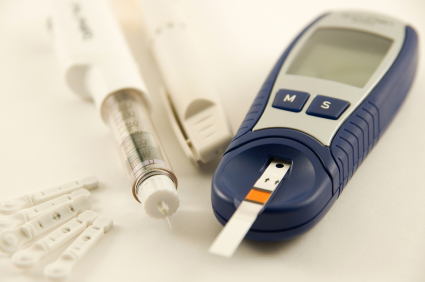
Diabetes in dogs and cats
The pancreas is an organ in the body which is closely associated with the segment of intestine that leaves the stomach. The pancreas releases enzymes involved in digestion as well as hormones with specific functions. One of these hormones is insulin. Insulin is released from the pancreas in response to the intake of food, especially carbohydrates and to a lesser degree fats and protein. Insulin circulates in the bloodstream and facilitates the uptake of the ingested nutrients into the body’s own stores of energy.
My pet is having a fit! - Seizures in Pets

Seizures in Pets
Anyone who has ever seen an animal experiencing a seizure will know that it is a “hair-raising” event. Seizures or ‘fits’ is a well-described phenomenon in domestic pets. The way in which a fit or seizure presents can vary significantly, from what seems to be a brief moment of absent-mindedness to full blown body contractions where the animal is semi-conscious and lying on the ground shivering, shaking and convulsing, with foam coming out the mouth and looking like it is busy dying. Owners, and even vets who may have seen such seizures in pets quite often, still find it disturbing at the best of times.
Frequently Asked Questions about Rabies

Rabies
How often must I vaccinate my dog?
Puppies should be vaccinated at 3 months old with a booster vaccination required a month later and a booster given within 12 months of original vaccination. Thereafter animals who live in Rabies endemic areas like KwaZulu Natal should be given a rabies vaccination every year and animals living in non-Rabies endemic areas every 3 years by law, but preferably also yearly, because in places like Johannesburg which is non-Rabies endemic there have been several outbreaks of Rabies in the past few years.
Rabies

Important information about Rabies and who to prevent it
Rabies, a fatal disease of humans and all other mammals, is caused by a virus which has been associated with animal bites for more than 3 000 years and it is the oldest infectious disease known to medical science. Dogs have long been recognised as the main transmitters of the disease to people. When compared with other formidable human diseases such as Bubonic Plague and Smallpox, and animal diseases such as Rinderpest and Anthrax, Rabies has probably never caused comparably high numbers of deaths in humans and animals. However, the horrendous manner in which Rabies manifests itself in its victims continues to attract the attention of scientists, health and veterinary workers. The true scale of Rabies in South Africa remains clouded by the many thousands of people protected by post-exposure treatment each year after Rabies exposure and the undiagnosed human and animal Rabies cases not reflected in official statistics.


