

When should I be worried about my cat's coughing?
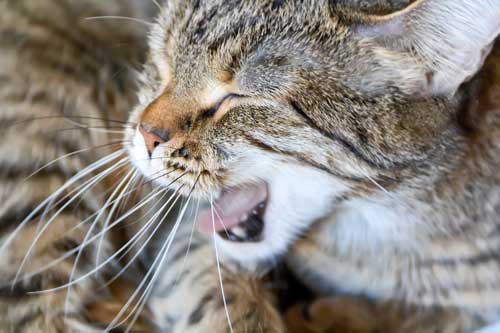
Coughing in cats
A cough can be described as a sudden, forceful expiration of air through the glottis (part of the throat). It is usually accompanied by an audible sound (something that can be heard), which is often preceded by an exaggerated inspiratory effort (a big breath in). Cats, just like humans, may cough occasionally to clear their throat or because they have an irritation but coughing can be a clinical sign for a varying number of serious conditions in cats.
I found a lump on my animal's skin. Is it cancer?

Lumps and Bumps in your Pet
Finding a lump or a bump in your pet which you have never noticed before, can cause serious worry for pet owners. This article will highlight what to watch out for when to take your pet to the vet and the process veterinarians follow when approaching any lump found on a pet.
Can I, or my dogs or cats contract bird flu from my pet birds?

Avian Influenza South Africa 2017
The information provided here is not an official statement but is meant to provide some general information on bird flu because of the break out of bird flu in September 2017 in South Africa.


