

Can my kitten make me sick?

Cat Scratch Disease
There are many diseases that can be transmitted from animals to humans. These diseases are called zoonotic diseases. Although the list below is by no means comprehensive, some of the more common diseases that we can get from our household pets are:
My dog did not go out of the yard and is now limping lame on one of his hind legs
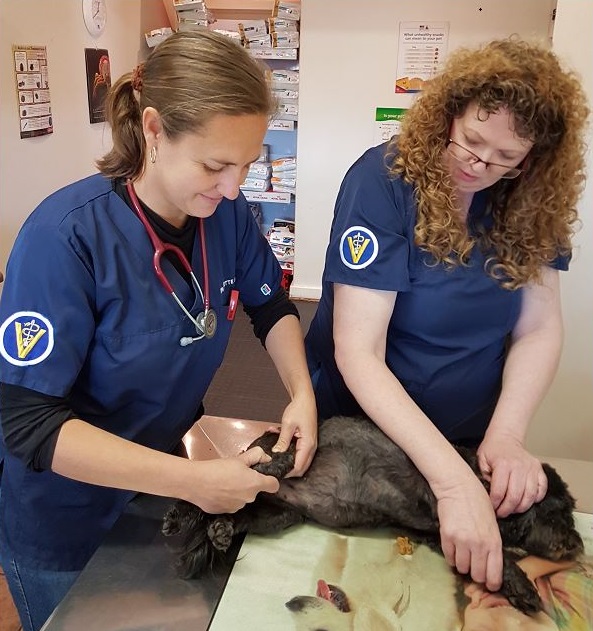
Anterior cruciate ligament rupture in dogs
Often time vets are confronted with this situation in veterinary clinics. As far as the owner knows their dog would not have been subject to any trauma, yet they can hardly take weight on one of their back legs. There are many possible causes but by far one of the most common reasons for this situation occurring is a tear of the major small ligament inside the knee.
A sugar substitute fit for humans, which can be lethal to your dog

Xylitol Toxicity
What is xylitol and where can it be found?
Xylitol is a natural sugar alcohol that is commonly used as a sugar substitute in human foods. It is found in and extracted from corn fiber, birch trees, hardwood trees as well as other fruits and vegetables.
False Pregnancy

Pregnancy
False pregnancy, also known as Phantom pregnancy or Pseudo-pregnancy, is a condition of both dogs and cats, whereby the unsterilised female animal (regardless of whether she was mated or not) shows some or all of the typical signs of pregnancy but is not really pregnant. In other words, she shows mammary gland development (with or without milk production) but does not produce any offspring.
Lameness in old dogs

Lameness
As a dog gets older, he or she may start to struggle to get up or get a little slower on walks. You may notice that they are worse in winter than in summer or after resting for a prolonged period. Sometimes they may not to be able to place any weight on a leg at all and this may happen quite suddenly. Lameness in older dogs can be broadly placed in three categories:
Proptosis

Displacement of the eyeball
Proptosis is defined, as the forward displacement of the globe (eyeball) out of the socket, with the eyelids trapped behind the globe.


